Endometriosis and adenomyosis are two distinct but related conditions that can cause significant pain, heavy periods, and fertility challenges.

Endometriosis and adenomyosis can have a profound impact on daily life, relationships, and the ability to conceive. Dr Rozen understands that patients often arrive having already spent years managing pain that has been dismissed or undertreated. Her practice is a place where those experiences are heard and where a clear, personalised management plan is the starting point.
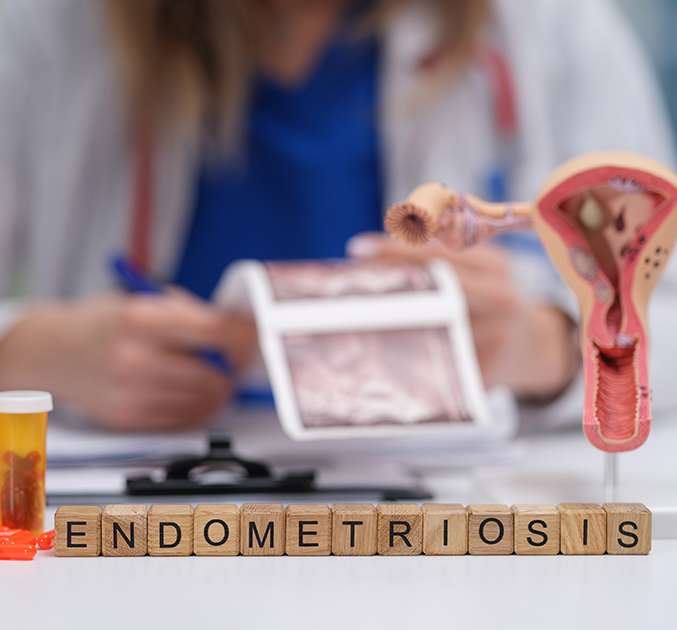
Endometriosis is a chronic condition where tissue similar to the uterine lining grows outside the uterus. It primarily affects the pelvic area but can appear in other parts of the body. The exact cause is unknown, but theories include retrograde menstruation, immune system disorders, and genetic factors. Endometriosis lesions are oestrogen-dependent, which influences how the condition is managed.
NSAIDs to manage pain and reduce inflammation
Including the contraceptive pill, GnRH agonists, and progestins to reduce oestrogen levels and menstrual flow
To diagnose the condition, remove endometriosis implants, and relieve obstructions. In severe cases, hysterectomy may be considered
IVF and other ART options for women facing infertility as a result of endometriosis
Diet, exercise, and approaches such as acupuncture for symptom management
Adenomyosis is a condition where the endometrial tissue that normally lines the uterus grows into the muscular wall of the uterus itself. This can cause the uterus to become enlarged and leads to painful, heavy periods. The exact cause is unknown, but it is linked to oestrogen levels and may be associated with previous uterine surgery, childbirth, or other uterine trauma.

Treatment is always guided by the underlying cause, and no two patients will follow the same path. Options Dr Rozen may recommend include:
To reduce pain and decrease menstrual blood loss
Including the contraceptive pill, progesterone IUDs, or GnRH agonists to manage symptoms
To shrink adenomyotic areas by reducing their blood supply
Though less effective where adenomyosis extends deep into the uterine muscle
The only definitive cure for adenomyosis, considered when other treatments have not worked and where childbearing is no longer desired
Both endometriosis and adenomyosis are frequently missed or misdiagnosed. Dr Rozen invests in thorough investigation, including laparoscopy where needed to ensure patients have an accurate diagnosis before any treatment is recommended.
For patients who wish to conceive, treatment decisions are made with fertility in mind. Dr Rozen balances symptom management with the goal of protecting and optimising reproductive outcomes wherever possible.
Both conditions are chronic. Dr Rozen approaches management as an ongoing relationship rather than a one-time intervention, adapting the plan as the patient’s circumstances and goals change over time.

“Endometriosis and adenomyosis are conditions that have been overlooked for too long. I want every patient who comes to me with these symptoms to feel that their pain is real, their concerns are valid, and that there are genuine options to help them.”
– Dr Genia Rozen, Fertility Specialist, Genea Melbourne City and Frankston
